Association memberships rarely consist of people with identical schedules, locations or circumstances.
Some members may be based hundreds or thousands of miles away. Others might be balancing professional development with full-time roles. Some will happily join a live webinar; others may need to access the same expertise at a different time.
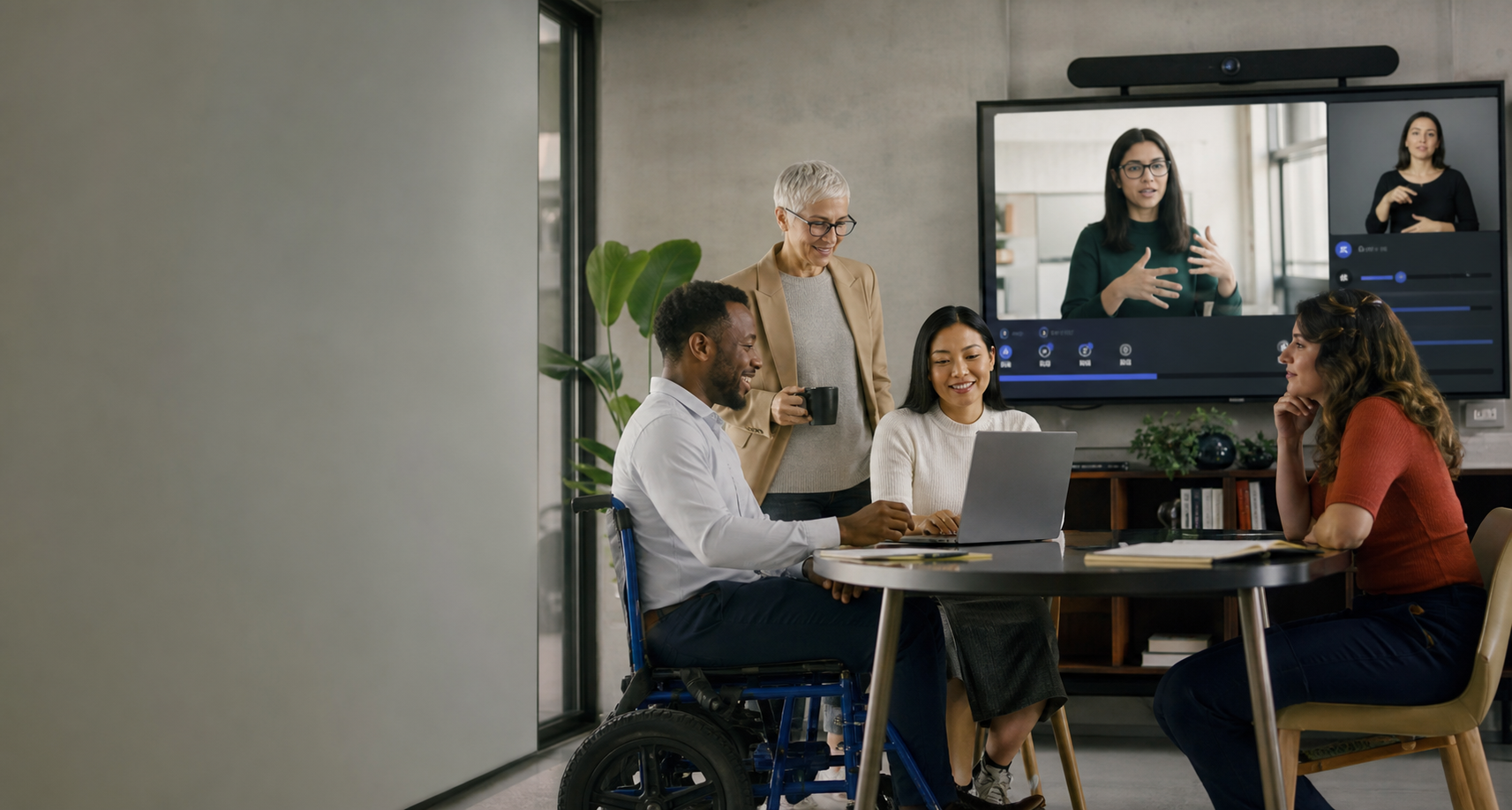
Creating an accessible digital member experience means thinking about all of them.
It's not simply about putting an event online. It's about giving members practical ways to access your organisation's expertise, learning and conversations wherever they are.
Start with how your members actually participate
It's easy to plan an event around the organisation's calendar.
The more useful question is whether that schedule works for the members you're trying to reach.
For an association with members across different regions or time zones, there may never be one perfect time for everyone. Even within one country, work commitments, travel and other responsibilities can prevent members from joining at a particular hour.
That's where digital delivery creates flexibility.
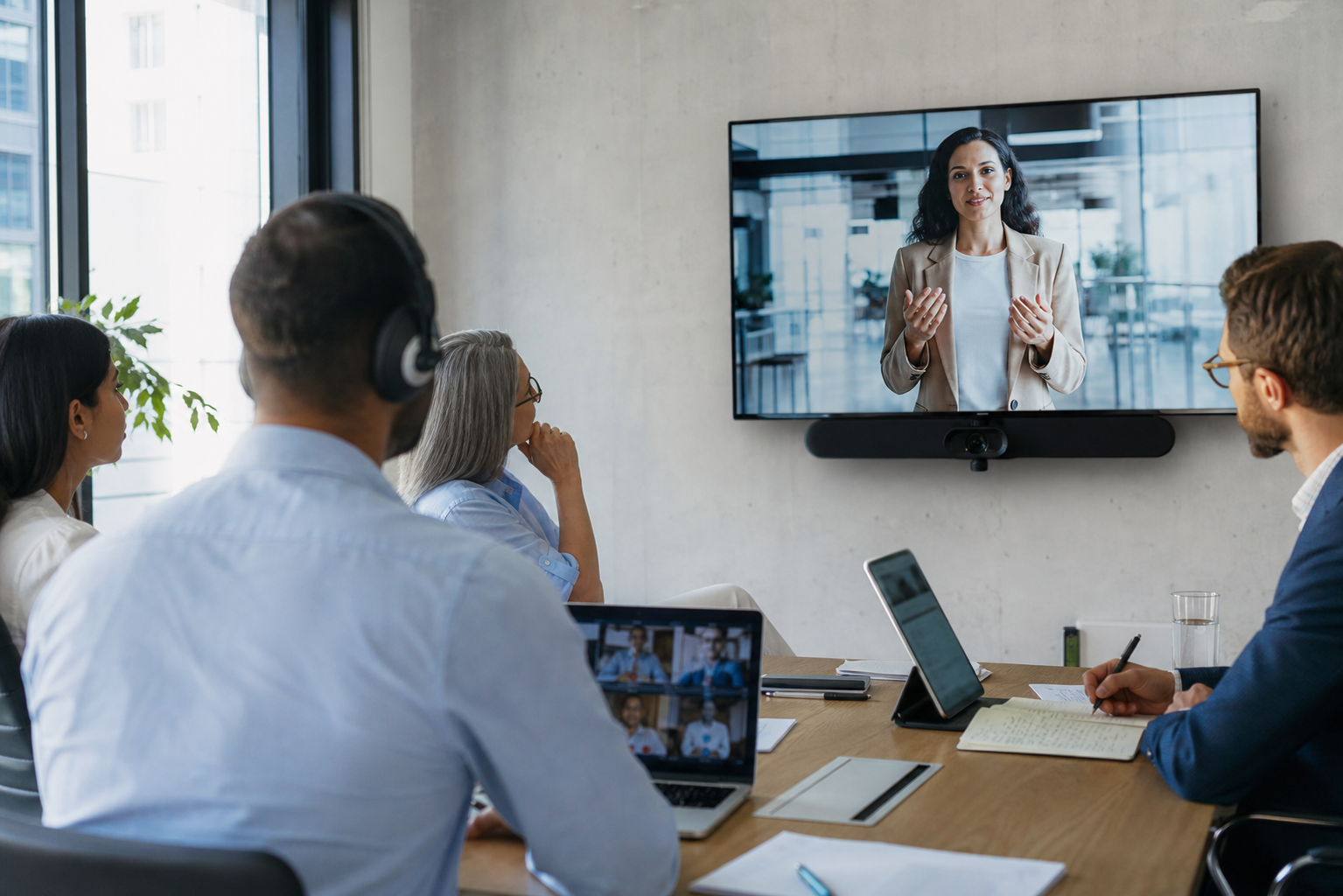
A live webinar can give members an opportunity to participate in the conversation as it happens, while an on-demand version can make appropriate content available to those who couldn't attend.
The two don't have to compete. They can serve different member needs.
Make the live experience easier to follow
Accessibility also matters during the event itself.
Captions can make webinar content easier to follow for people who need or prefer them, while clear presentations and well-structured sessions can help audiences stay focused on the conversation.
But accessibility isn't only about technology.
Think about how information is being presented. Are slides overcrowded? Are speakers moving through important information too quickly? Is there an opportunity for members to ask questions if something needs further explanation?
Small decisions in how you plan and deliver a webinar can make the experience easier for more people to follow.
Give members different ways to participate
Not everyone wants to contribute in the same way.
One member might happily ask a question verbally. Another might prefer submitting one through Q&A. Others may be more comfortable responding anonymously to a poll.
Giving members different opportunities to interact can make participation feel more approachable.
Polls can gather perspectives from across the audience, while Q&A gives members an opportunity to bring their own challenges and experiences into the discussion.
The important thing is not to add interaction for the sake of it. Use it when it genuinely contributes to the session.
Think beyond the live date
For many associations, some of the most useful content already exists.
Webinars, training sessions, expert discussions and professional development content can continue to provide value when they're made available on demand where appropriate.
A well-organised webinar library can make that content easier for members to return to, rather than leaving useful recordings buried in old emails or event pages.
It also gives members greater control over when they learn.
Someone who couldn't attend the original event can catch up later. Someone who did attend can revisit an important section. A newer member can discover expertise that was originally shared before they joined.
That's a much broader definition of accessibility than simply whether someone could make the live date.
Consider the whole member journey
The experience starts before the webinar begins.
Members need to know how to register, where to join and what to expect. During the event, they need an experience that's clear and easy to navigate. Afterwards, they should know where to find the recording or relevant resources if they're available.
When those stages feel connected, participating becomes simpler.
And for associations running webinars, training and member events throughout the year, consistency can make a meaningful difference.
Members shouldn't have to relearn how to participate every time your organisation runs something new.
Accessibility creates more opportunities to engage
There isn't one way that every member wants to interact with an association.
That's exactly why flexibility matters.
Live events create immediacy and conversation. On-demand content creates flexibility. Captions can make content easier to follow. Polls and Q&A provide different ways to contribute. Webinar libraries can give useful content somewhere to live beyond its original date.
Together, those options help associations create digital programmes that work around their members rather than expecting every member to participate in exactly the same way.
See how WorkCast helps associations create more accessible, flexible digital experiences for their members.


.png?width=2380&height=2380&name=%E2%80%9CClick%20here%E2%80%9D%20to%20view%20our%20open%20uni%20handbook%20(1).png)