During many virtual open days, the chat fills up fast.
Undergraduate applicants ask about entry requirements.
Postgraduate students want to understand supervisor availability.
International students ask about visas, time zones, and accommodation.
But only a handful of questions get answered live.
The rest disappear.
For admissions and marketing teams, that is not just an engagement issue. It is lost insight.
AI powered Q&A changes that.
When used properly within a purpose built virtual open day platform, it helps universities engage more students live, capture intent signals, and support faster progression from interest to application.
Here is how.
Why Traditional Live Q&A Falls Short
Most university teams recognise this pattern:
• High registration numbers
• Strong early attendance
• Engagement drops mid session
• Important questions left unanswered
In a typical one way broadcast, chat becomes unmanageable. Moderators scramble to sort questions. Presenters miss themes that matter. International attendees feel overlooked if their questions are not addressed before the session ends.
For global recruitment, that is risky.
Students making decisions from another country rely on virtual open days to picture life at your university. If their questions are not acknowledged, confidence drops.
AI powered Q&A supports moderators by:
• Grouping similar questions together
• Highlighting trending topics
• Prioritising high interest themes
• Ensuring no question is lost
Instead of guessing what matters to students, your team sees it clearly in real time.
Turning Live Interaction Into Measurable Insight
Engagement is not just about keeping students active during the session. It is about understanding intent.
When a prospective postgraduate student asks detailed questions about research funding, that signals something different from a first year undergraduate asking about campus accommodation.
AI supported Q&A helps surface those differences.
Within WorkCast, Q&A data can be:
• Tracked alongside attendance behaviour
• Linked to CRM records
• Used to inform segmented follow up
This is where virtual open days move from awareness to optimisation.
Instead of sending the same follow up email to every attendee, admissions teams can tailor communication based on:
• Questions asked
• Poll responses
• Sessions attended
• Engagement levels
If you want to explore how data and recruitment strategy connect more broadly, this guide on digital open days and university recruitment software explains the foundations:
https://info.workcast.com/blog/digital-open-days-university-recruitment-software
Supporting International Students in Real Time
International audiences bring additional complexity.
Time zones mean some students attend live while others rely on on demand viewing. Visa questions require clarity. Cultural expectations around asking questions can vary.
AI supported moderation helps ensure:
• Frequently asked visa questions are grouped and answered clearly
• Repeated concerns around scholarships are surfaced
• Regional themes become visible
This creates a more inclusive experience.
Students feel heard.
Admissions teams gain insight.
Follow up becomes more relevant.
If your institution is focused on global reach without losing connection, our Virtual Open House guide outlines best practice in more detail:
https://info.workcast.com/university-college-virtual-open-houses
Reducing Application Drop Off
Application momentum matters.
When students attend a virtual open day and feel confident, they are more likely to begin an application quickly. But friction during or after the event can slow that momentum.
AI powered Q&A supports progression by:
• Enabling real time clarification of entry requirements
• Allowing admissions teams to share direct links during relevant discussions
• Capturing interest signals for faster follow up
If a student asks about personal statement expectations and receives a clear answer immediately, they are more likely to move forward while motivation is high.
Virtual open days that convert are designed around these moments.
They do not just present information.
They remove uncertainty.
For more on how universities are using online events to support recruitment marketing, this article provides additional context:
https://info.workcast.com/blog/how-can-universities-use-webinars-for-marketing
Beyond Engagement: Integration and Analytics
AI powered Q&A is only powerful if the insight does not disappear after the event.
WorkCast integrates with university CRM systems so engagement data flows directly into admissions workflows.
That means:
• Questions asked become part of the student profile
• Engagement levels inform lead scoring
• Follow up can be prioritised based on intent
Instead of manually reviewing chat logs, teams have structured, usable data.
Combined with detailed event analytics, universities can measure:
• Which sessions generated the most questions
• Where engagement peaked or dropped
• Which topics triggered application intent
This moves virtual open days firmly into Phase 2 territory. Not just attracting attention, but optimising performance and proving impact.
If measuring engagement and intent is a priority for your team, this blog on virtual open days covers who, what, why, and how in more detail:
https://info.workcast.com/blog/virtual-open-days-who-what-why-how
AI as Support, Not Replacement
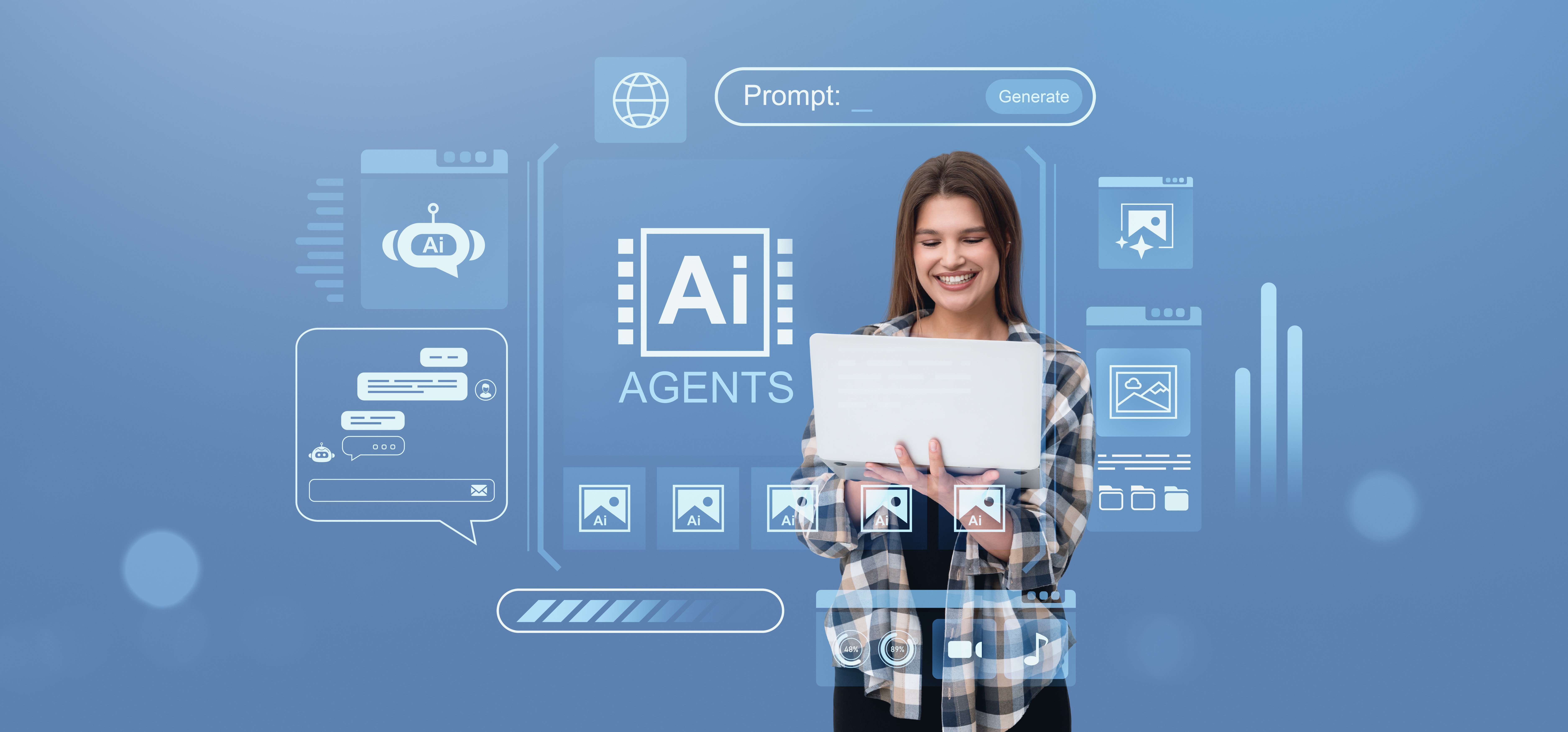
It is important to be clear.
AI does not replace human interaction. It supports it.
Admissions professionals remain at the centre of the experience. AI simply helps ensure:
• No question goes unseen
• No key theme is missed
• No high intent student slips through unnoticed
When virtual open days are structured intentionally and supported by the right technology, they become powerful recruitment tools.
Not generic webinars.
Not one way broadcasts.
But interactive, insight driven experiences.
Share this

Creating Connections: Building a Sense of Belonging Through Virtual University Events

Harnessing Social Proof in Higher Education Recruitment