Virtual open days generate powerful engagement data.
Attendance patterns.
Live Q&A submissions.
Poll responses.
Session drop-off points.
But without CRM integration, that insight often sits in isolation.
When virtual open day data does not sync with your university CRM, follow-up becomes reactive instead of strategic. And in a competitive recruitment landscape, delay costs progression.
Here is how integrating virtual open day engagement data with your CRM turns interest into measurable enrollment impact.
Why Virtual Open Day Data Must Connect to Your CRM
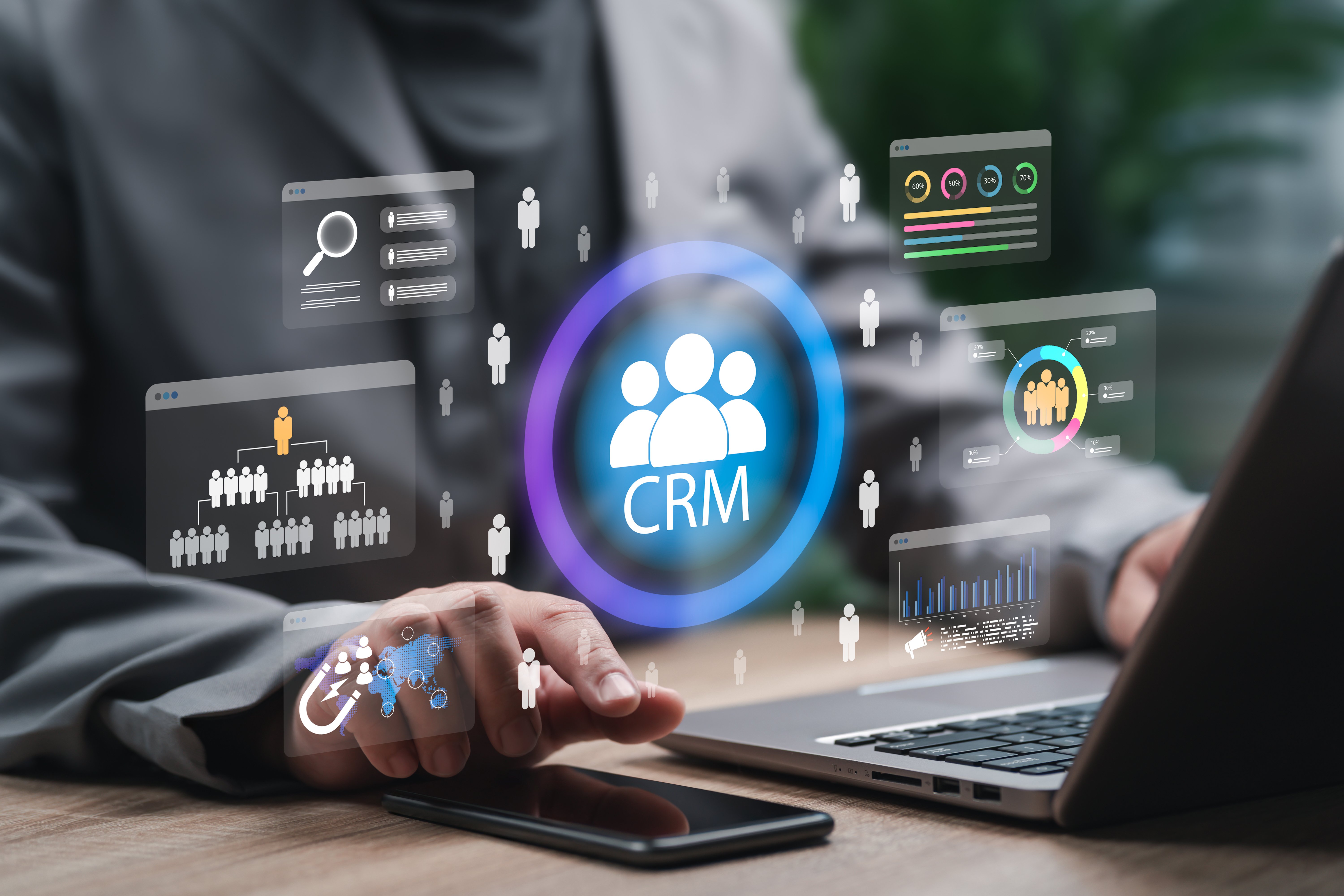
Virtual open days are no longer standalone events. They are structured recruitment touchpoints.
Every interaction signals intent.
Every question reveals priorities.
Every session attended reflects interest.
If this data remains disconnected from your CRM, admissions teams are left relying on generic post-event emails and manual follow-up lists.
Integration changes that.
When virtual open day platforms connect directly to systems such as Salesforce Education Cloud, Slate, Microsoft Dynamics 365, or HubSpot, engagement data becomes immediately actionable.
Admissions teams can:
• View session attendance within student records
• Track Q&A engagement alongside enquiry history
• Prioritise follow-up based on real behavioural signals
• Segment outreach by subject interest or funding concerns
Instead of asking “Who attended?” teams can ask “Who demonstrated intent?”
For more on how virtual open days support measurable recruitment strategy, explore our guide to digital open days for university recruitment:
https://info.workcast.com/blog/digital-open-days-university-recruitment-software
Turning Engagement Signals into Targeted Follow-Up
Follow-up speed matters.
Prospective students compare institutions quickly. If outreach is delayed or generic, momentum fades.
When CRM integration is in place, admissions teams can automate personalised communication based on actual engagement.
For example:
A student who attended engineering sessions and asked about international tuition fees can receive follow-up content tailored specifically to engineering programmes and funding options.
A postgraduate prospect who engaged heavily with research panels can receive information about supervisors, application timelines, and scholarship deadlines.
This is not bulk email marketing.
It is behavioural recruitment strategy.
By mapping virtual open day data fields to CRM records, universities create a structured progression pathway from event attendance to application submission.
Automating Personalisation Without Losing Control
Automation often raises concerns about losing authenticity.
In reality, CRM-connected virtual open day data allows teams to automate intelligently while maintaining relevance.
Automated workflows can:
• Trigger subject-specific follow-up emails
• Assign engaged prospects to admissions advisors
• Update lead scoring based on session attendance
• Notify teams when high-intent prospects revisit on-demand content
The key is structured data mapping.
When session categories, Q&A tags, and poll responses align with CRM segmentation fields, personalisation becomes scalable without being generic.
To understand how engagement structure influences recruitment outcomes, read more about designing virtual open days that convert:
https://info.workcast.com/blog/virtual-open-days-who-what-why-how
Improving Reporting and Campaign Attribution
CRM integration does more than improve follow-up. It strengthens reporting.
Without connected systems, it is difficult to attribute applications to specific virtual open days.
With integration, universities can track:
• Event attendance to application conversion rates
• Subject-level engagement trends
• Regional participation patterns
• The influence of live vs on-demand attendance
This provides marketing and admissions teams with evidence-based insight.
Instead of asking whether virtual open days “worked,” teams can demonstrate their contribution to application pipeline growth and progression rates.
For universities scaling international and hybrid recruitment strategies, this level of visibility supports smarter budget allocation and event design.
Enabling Real-Time Action
Recruitment windows are tight.
Real-time syncing between virtual open day platforms and CRM systems allows admissions teams to act immediately.
If a student submits multiple questions during a funding session, a targeted follow-up can be triggered within hours rather than weeks.
If a high-intent prospect engages heavily with a specific subject panel, advisors can intervene with personalised outreach while interest is at its peak.
This agility reduces drop-off between enquiry and application.
And that reduction directly influences enrollment yield.
From Data Collection to Enrollment Progression

Virtual open days generate insight.
CRM integration turns insight into action.
When engagement data flows seamlessly into recruitment systems, universities gain:
• Clear visibility of student intent
• Structured, personalised follow-up pathways
• Improved conversion reporting
• Faster admissions response times
Virtual open days should not end when the broadcast closes.
They should initiate a data-informed recruitment journey.
If you are reviewing how your virtual open days integrate with your CRM and support smarter follow-up, explore how WorkCast connects engagement data directly into your recruitment ecosystem:
https://info.workcast.com/university-college-virtual-open-houses

Share this
From Interest to Enrollment: Boost Student Engagement in Virtual Recruitment with Interactive Features
Virtual Open Days for International Student Recruitment: How to Engage and Convert Global Audiences