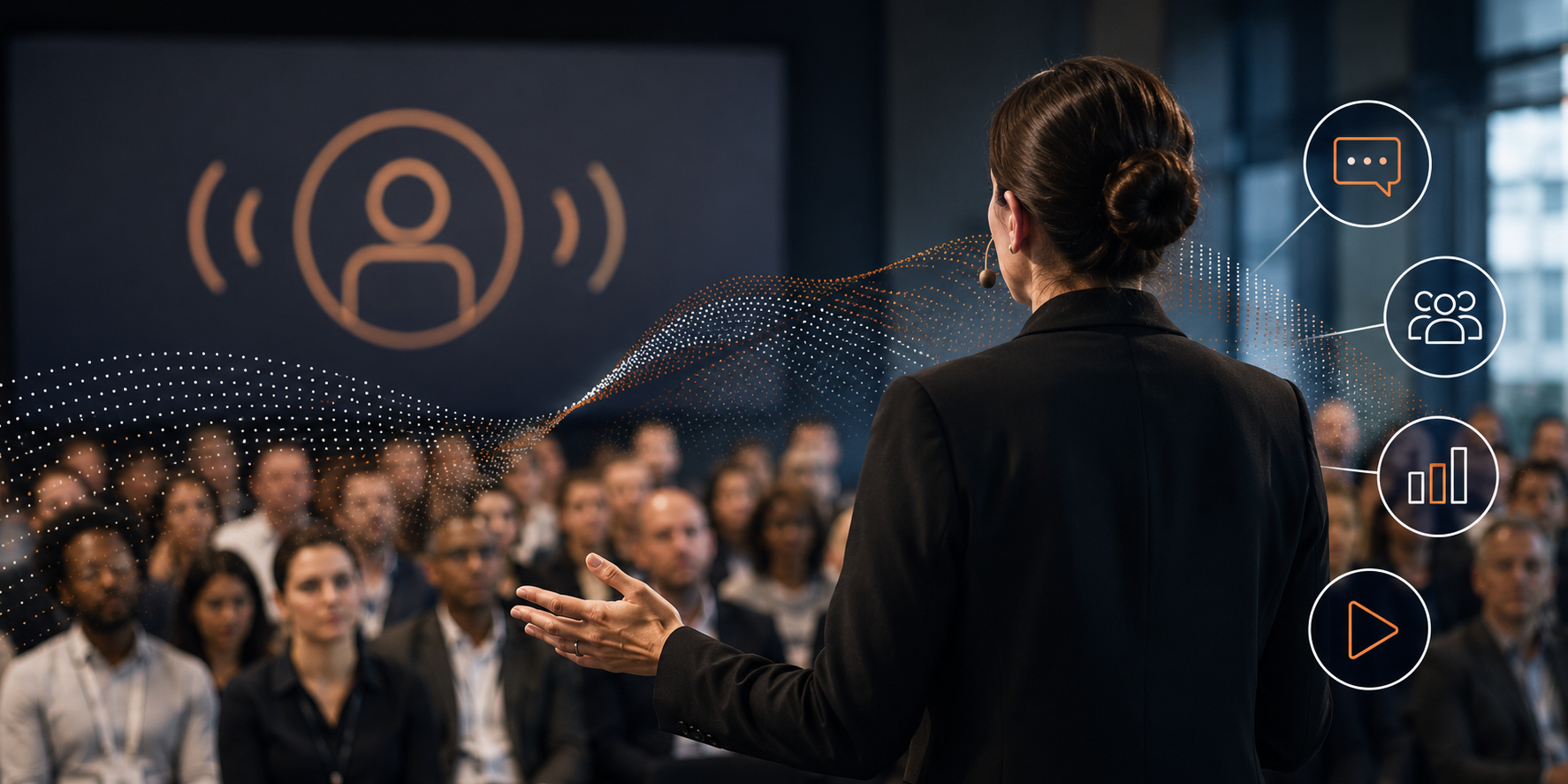
For many organisations, Internal Communications still revolve around familiar formats, quarterly town halls, leadership emails, and the occasional all-hands meeting. These approaches worked well in a co-located world. In today’s hybrid and globally distributed organisations, they are no longer enough.
CEOs and executive teams now face a different challenge, not simply sharing information, but creating clarity, alignment, and trust at scale.
This requires a shift from episodic communication to a structured, repeatable Internal Communications strategy built for digital-first engagement.
The Limits of Traditional Town Halls
The classic town hall was designed for physical presence, a room, a stage, and a one-time message. Yet most workforces are no longer in one place, and employees increasingly consume information asynchronously.
When town halls become infrequent, high-stakes events, they often feel reactive. They are scheduled because something must be announced, not because they are part of a deliberate communication cadence.
Modern organisations need communication that is:
- Predictable rather than occasional
- Accessible live and on demand
- Designed for distributed teams, not just headquarters
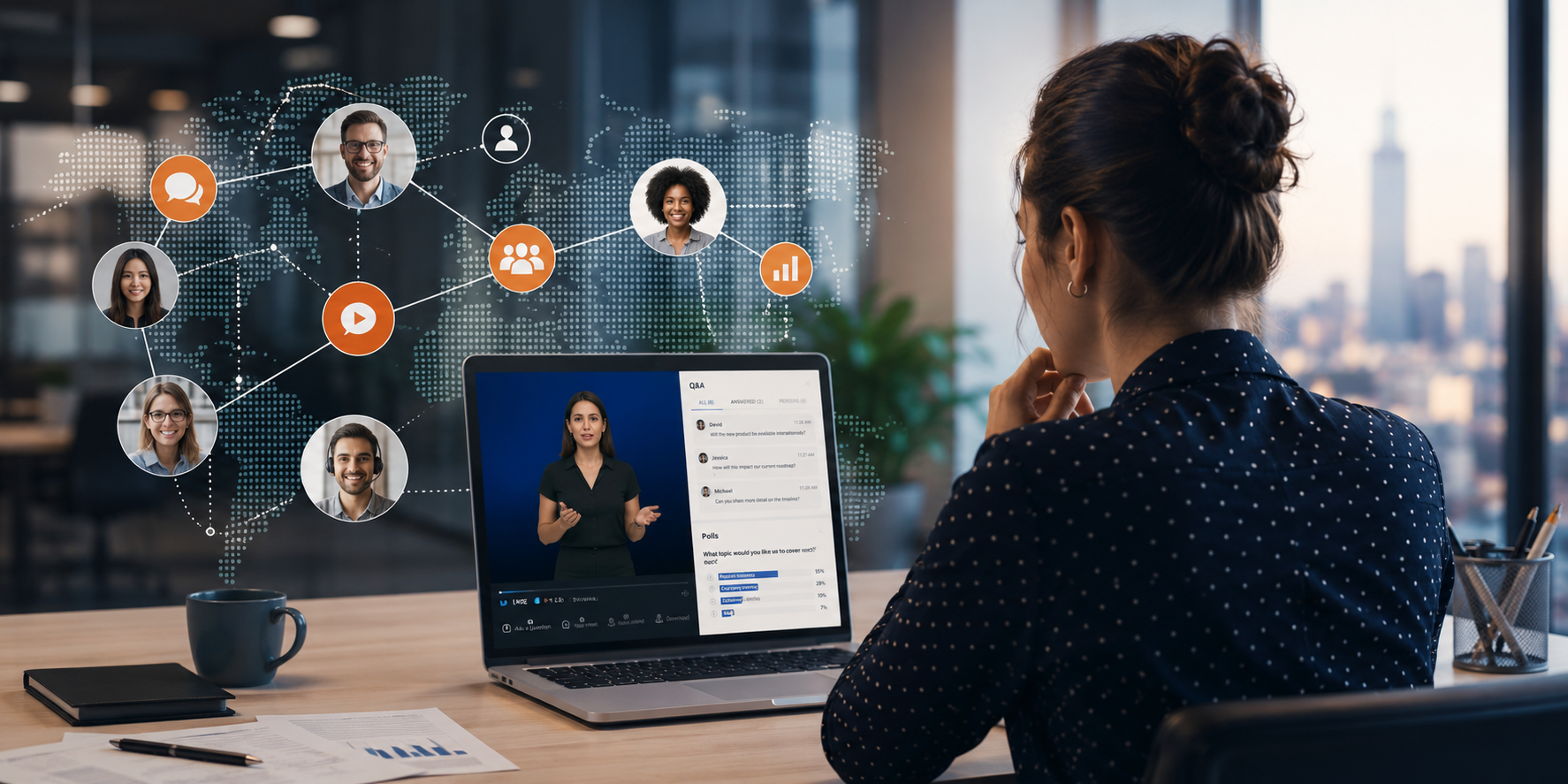
A company webcast or company webinar allows leaders to reach every employee simultaneously, regardless of location, while also creating a reusable knowledge asset employees can revisit.
Internal Communications Is Not Just the CEO’s Voice
CEO visibility remains critical. People want to hear directly from leadership. But alignment does not come from a single broadcast.
Effective Internal Communications extend beyond the CEO to include:
- Functional leaders translating strategy into execution
- Programme teams explaining change initiatives
- Subject matter experts adding operational relevance
An all-hands meeting should therefore evolve from a one-speaker update into a curated organisational conversation, where multiple voices reinforce a shared narrative.
This approach turns communication into understanding, not just awareness.
Fixing the Q&A Problem in All-Hands Meetings
One of the biggest weaknesses of traditional all-hands formats is poorly managed Q&A:
- Employees hesitate to speak publicly
- Questions are filtered by confidence rather than importance
- Sessions risk being dominated by outliers
- Valuable insight remains unspoken
Digitally enabled formats, particularly moderated Q&A within a company webinar or company webcast, create a safer and more structured way to listen. Employees can engage easily, leadership can identify themes, and organisations gain measurable insight rather than anecdotal feedback.
The result is more honest participation and more useful dialogue.
From One-Off Events to a Communication Ecosystem
High-performing organisations now treat Internal Communications as an operational discipline, not a calendar of events.
Instead of relying solely on quarterly town halls, they design a communication ecosystem that includes:
- A regular cadence of leadership webcasts
- Programme-led company webinars tied to strategic initiatives
- On-demand access for employees who cannot attend live
- Consistent messaging that reinforces priorities over time
This model supports hybrid work, reduces fragmentation, and ensures strategic messages reach all staff consistently rather than dissipating through layers of interpretation.
Why This Matters for CEOs
Internal Communications are no longer just a support function. They are a leadership tool that directly affects execution.
When communication is structured and inclusive:
- Strategy lands faster
- Change programmes face less resistance
- Employees understand how their work connects to organisational goals
- Leadership visibility becomes continuous rather than episodic
In short, organisations move from broadcasting messages to building alignment.
The Future of the All-Hands
The all-hands meeting is not disappearing, it is being redefined.
The modern version is digital-first, professionally delivered, interactive, and supported by repeatable infrastructure. It blends the authority of leadership messaging with the accessibility of a company webcast and the engagement mechanics of a company webinar.
For CEOs navigating transformation, growth, or distributed workforces, this evolution is not optional. It is how organisations stay connected at scale.