In today’s competitive higher education landscape, prospective students are no longer persuaded by brochures or polished marketing alone. Instead, they look for reassurance from people they trust. Current students, alumni, and peers now play a central role in shaping recruitment decisions.
This shift has made social proof one of the most effective tools in higher education recruitment. When combined with engaging virtual events, universities can build trust at scale and create meaningful connections with prospective students around the world.
In this article, we explore how universities can use social proof through virtual events and how platforms like WorkCast help deliver trusted, engaging recruitment experiences.
Why Social Proof Matters in University Recruitment 🤝
.png?width=2880&height=1472&name=5f70eb3fb161899ed0c21f558e4117462a8c234e%20(1).png)
Social proof is the idea that people are more likely to trust a decision when they see others having positive experiences. In higher education, this often means hearing directly from students who are already studying at an institution or alumni who have gone on to successful careers.
For prospective students researching universities online, these authentic voices provide reassurance. Seeing real people talk openly about their experiences helps institutions feel more transparent, credible, and relatable.
Virtual events create the ideal environment to showcase this authenticity, allowing universities to bring student voices to life in real time or on demand.
Using Student Testimonials to Build Trust 🎤
Student testimonials remain one of the most effective forms of social proof. While written testimonials still have value, live and recorded video content adds depth and authenticity that text alone cannot achieve.
Virtual events allow universities to feature current students in a range of formats. These include live student panels, question and answer sessions, and recorded interviews that can be shared after the event.
By hearing directly from students about academic life, support services, and the wider university experience, prospective applicants gain confidence in their decision-making and feel more connected to the institution.
Showcasing Alumni Success Stories 🎓
Alumni stories provide powerful evidence of long-term value. Highlighting what graduates go on to achieve helps prospective students understand the outcomes of their studies.
Universities can feature alumni through virtual guest talks, career-focused webinars, or recorded sessions that explore life after graduation. These stories demonstrate career progression, personal growth, and the opportunities available beyond university.
Sharing alumni success within recruitment events helps applicants visualise their own future and reinforces trust in the institution’s ability to support long-term success.
How Virtual Events Bring Social Proof to Life 💻
Virtual events have become a core part of higher education recruitment strategies. From virtual open days to subject-specific sessions, they offer an accessible way to engage students wherever they are.
When social proof is embedded into these events, engagement increases. Prospective students are more likely to stay, participate, and ask questions when they hear from people they can relate to.
WorkCast supports this approach by enabling interactive and structured virtual events designed for large-scale audiences. Features such as live Q&A, polling, chat, and on-demand viewing help universities create engaging experiences that feel personal and inclusive.
Using Event Analytics to Improve Recruitment Outcomes 📊

Understanding how students engage with virtual events is essential for improving future activity. Data provides insight into what content resonates and where interest is strongest.
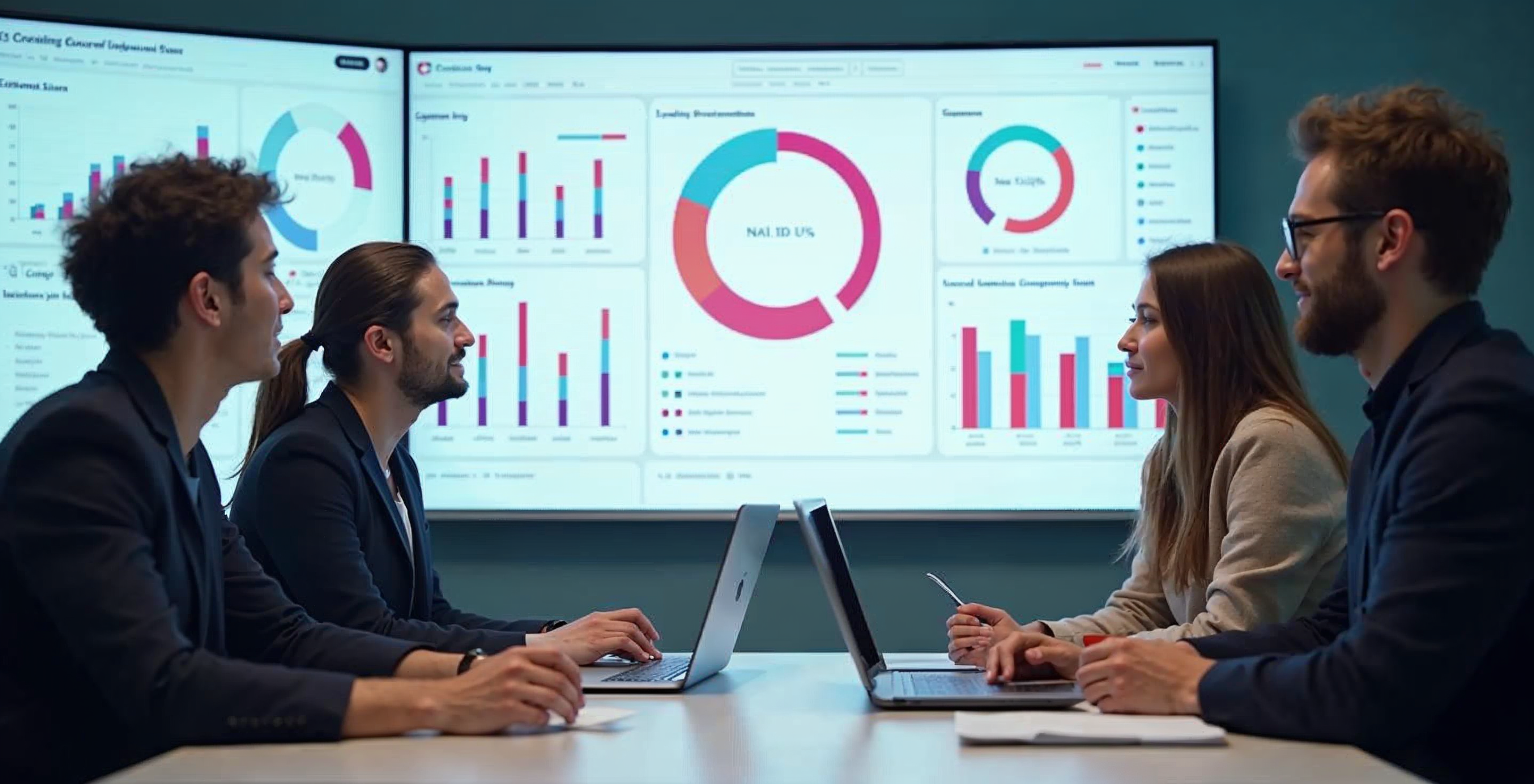
With WorkCast analytics, universities can track attendance, engagement levels, session popularity, and interaction across events. This information allows recruitment and marketing teams to refine content, personalise follow-up communication, and better support prospective students throughout the decision journey.
Using data-driven insights helps ensure each event delivers more value than the last.
Expanding Reach Through Accessible Virtual Experiences 🌐
Virtual events remove traditional barriers such as location and time zones, making recruitment more inclusive and global. When paired with authentic student and alumni voices, these events help universities connect with diverse audiences while maintaining a human approach.
On-demand access to sessions also allows students to engage at their own pace, revisiting content when it suits them. This flexibility is increasingly important for international and part-time applicants.
By combining accessibility with social proof, universities can extend their reach without losing authenticity.
Building Trust Through Authentic Virtual Engagement ⭐
In higher education recruitment, trust plays a decisive role. Social proof helps prospective students feel confident, informed, and supported before they apply.
By integrating student testimonials, alumni stories, and interactive virtual events, universities can create recruitment experiences that resonate on a personal level. Platforms like WorkCast enable institutions to deliver these experiences at scale while maintaining quality, consistency, and insight.
👉 Explore your virtual open day possibilities with WorkCast:
https://info.workcast.com/solutions/virtual-events/virtual-open-days
Share this
How to Maintain Brand Consistency Across Virtual Open Days

Stop the Glitches: How to Deliver Seamless Virtual Open Days